For many small businesses, cybersecurity feels like something that only the big players need to worry about. Large corporations make the headlines when a breach happens, and it is easy to believe that hackers are not interested in smaller targets. The reality is quite different. In fact, small organizations are often the ones most vulnerable to attacks, not because they are worth less to criminals, but because their defenses are usually easier to break through.
The good news is that enhancing cybersecurity does not have to be overwhelming. By focusing on a few key areas, small businesses, churches, and nonprofits can greatly improve their level of protection while still keeping things simple and manageable.
1. Keep your systems up to date
One of the most common ways attackers gain access is through outdated software. When programs or operating systems are not patched, they leave open doors for criminals to walk through. Small businesses can strengthen their security simply by making sure all devices are updated regularly. This step may not feel dramatic, but it is one of the most effective ways to prevent problems.
2. Use strong, unique passwords and multi-factor authentication
Passwords are still the front line of defense for most organizations. Reusing the same password across different accounts is risky because if one account is breached, attackers can often get into others. Encouraging employees to use a password manager, along with enabling multi-factor authentication wherever possible, creates an additional layer of protection that is both practical and affordable.
3. Protect against phishing
Phishing emails remain one of the most common ways criminals trick people into giving away access. Small organizations should make sure their teams know how to spot suspicious emails and avoid clicking on unverified links or attachments. Even a short discussion about what phishing looks like can go a long way in reducing risk.
4. Back up important data
Every business, no matter the size, relies on information that cannot be easily replaced. Regularly backing up data ensures that if something goes wrong, whether from an attack or even a hardware failure, you can recover quickly without losing everything. Backups are like an insurance policy, quietly running in the background until they are needed most.
5. Monitor devices and activity
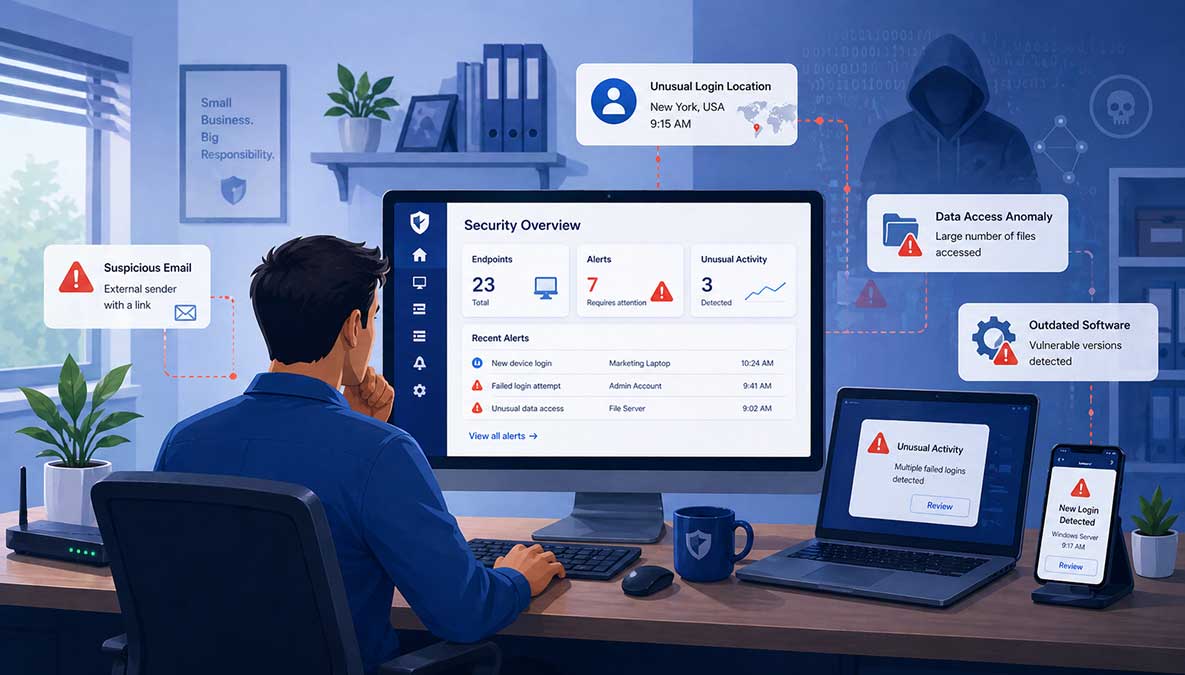
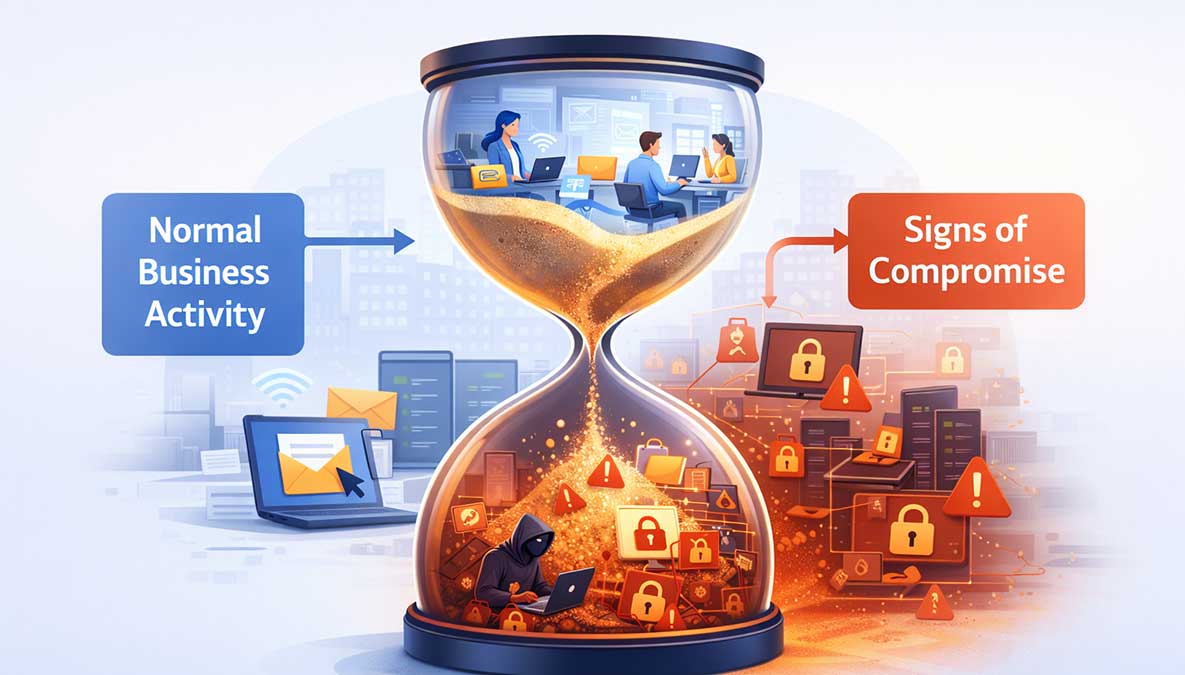
While no small business has the time or resources to monitor every system around the clock, having visibility into devices is critical. Even a lightweight monitoring tool can alert you when something is unusual, giving you the chance to respond before the problem grows.
6. Build a culture of awareness
Cybersecurity is not just about tools and technology, it is also about people. Employees should feel comfortable asking questions and reporting anything that seems out of place. A culture where everyone feels responsible for protecting the business can be just as valuable as the software that runs in the background.
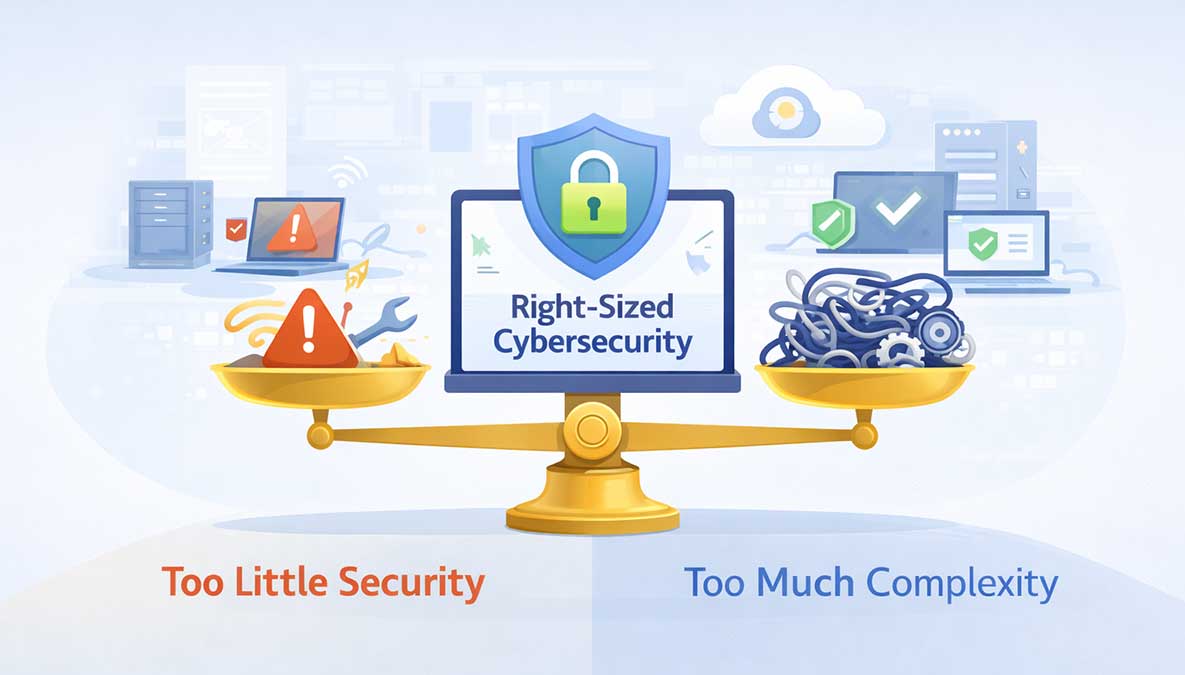
At the end of the day, enhancing cybersecurity for a small business is not about copying what large corporations do. It is about taking clear, practical steps that fit the resources and needs of your organization. With a few simple habits, a focus on awareness, and the right tools in place, small businesses can operate with confidence, knowing that they are not leaving themselves exposed to unnecessary risk.
Sponsored
Start your 14-day free trial and get visibility into your devices in minutes, no IT team required.
 Ben Loveless
Co-founder and Developer
Ben Loveless
Co-founder and Developer