Small businesses today have no shortage of cybersecurity options. Managed service providers, security platforms, and bundled solutions all promise protection, simplicity, and peace of mind.
At the same time, cyber threats are becoming more automated and more accessible. Attackers are using AI to generate phishing emails, scan for vulnerabilities, and launch attacks at scale. This has made small businesses increasingly attractive targets.
For business owners, the challenge is not just finding cybersecurity. It is finding the right kind of cybersecurity.
If you are evaluating the best cybersecurity services for small businesses, it helps to understand what actually matters and what is just noise.
A Managed Service Provider, or MSP, is a company that handles IT and security operations on behalf of a business.
In a cybersecurity context, an MSP typically provides:
Some providers focus heavily on infrastructure. Others focus more on security. The best MSP cybersecurity services combine both in a way that feels seamless to the customer.
As explained in our plain-English guide to SMB cybersecurity, small and medium sized businesses operate differently than enterprises. They need protection that works without requiring a dedicated internal security team.
One of the first things to evaluate is how the provider protects endpoints.
Endpoints are the devices your business actually runs on. Laptops, desktops, and servers are where most attacks begin.
A strong MSP will provide:
If a provider cannot clearly explain how they protect endpoints, that is a gap worth paying attention to.
Detection without response is not enough.
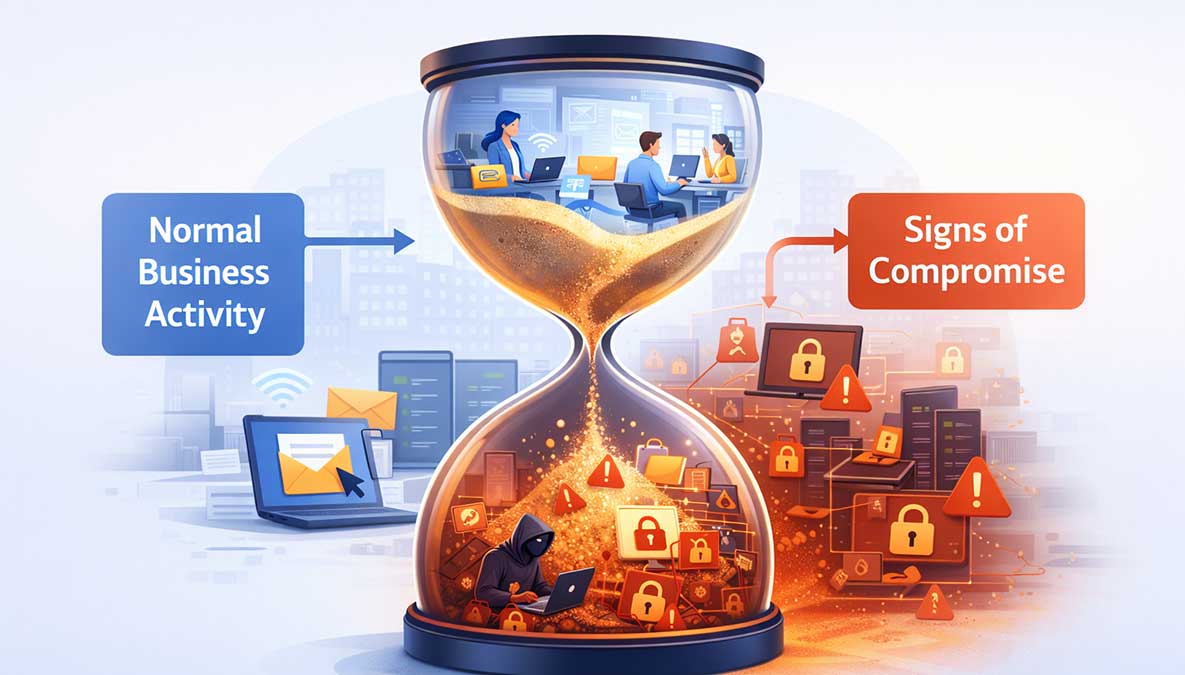
The best cybersecurity services for small businesses include systems that monitor activity continuously and respond immediately when something suspicious occurs.
This includes:
Some providers rely entirely on automation. Others combine automation with human oversight. Both can be effective, but the key question is how quickly and reliably threats are handled.
Sponsored
Most small businesses assume they're too small to be targeted, until something goes wrong. The reality is that modern threats don't discriminate, and staying protected requires constant attention. That's where Simplified Solutions comes in.
Instead of reacting to problems after they happen, you can proactively protect your devices, detect threats early, and stay secure without adding complexity to your day.
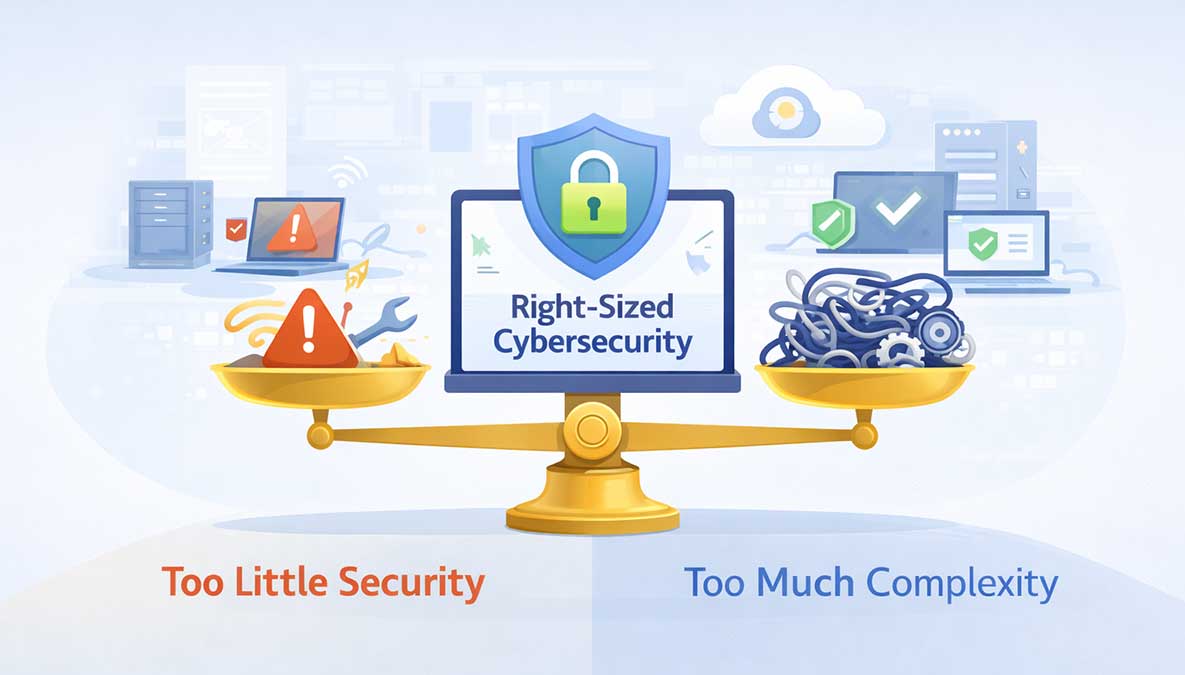
Small businesses do not have time to manage complex security systems.
An MSP should reduce complexity, not introduce it.
Look for:
If a solution requires constant tuning or produces alerts that no one understands, it will not be used effectively.
Cybersecurity is not only about prevention. It is also about recovery.
A strong MSP will include:
When evaluating providers, ask how they handle recovery after a ransomware incident. The answer should be clear and practical.
Most attacks begin with compromised credentials.
The best MSP cybersecurity services include:
Because AI-generated phishing is becoming more convincing, identity protection is one of the most important layers in any security strategy.
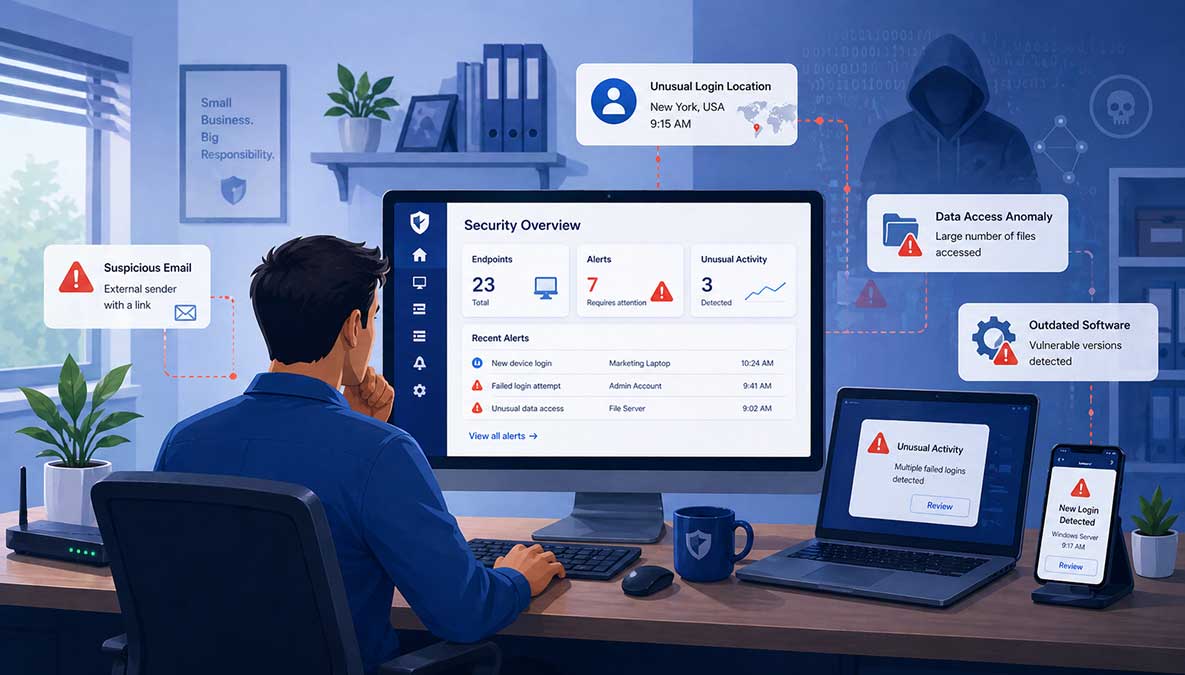
A common issue in small businesses is lack of visibility.
Devices may be protected individually, but there is no centralized view of what is happening across the organization.
A good MSP provides visibility into:
This allows issues to be identified and addressed early, before they escalate.
Not all cybersecurity services are created equal.
Some common warning signs include:
The goal is not to find the most feature-rich platform. It is to find one that consistently protects your business in real-world conditions.
When evaluating the best cyber security for small business environments, the most effective solutions tend to share a few characteristics:
These elements work together to reduce risk without requiring constant oversight.
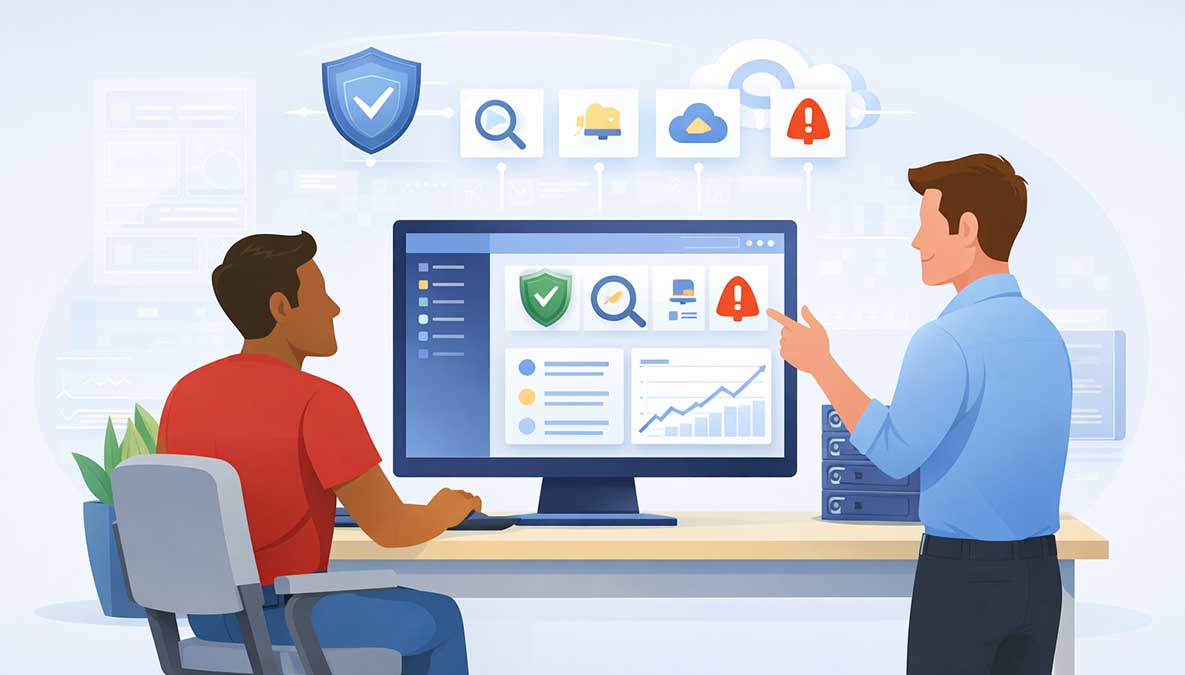
Choosing an MSP is not just a technical decision. It is a trust decision.
You are selecting a partner that will monitor your systems, protect your data, and respond when something goes wrong.
The best cybersecurity services for small businesses are not defined by how many features they offer. They are defined by how effectively they protect your environment while allowing you to focus on running your business.
If you understand what to look for, the decision becomes much clearer.
Sponsored
Start your 14-day free trial and get visibility into your devices in minutes, no IT team required.
 Ben Loveless
Co-founder and Developer
Ben Loveless
Co-founder and Developer